

7 Principles I'm Using to Rewrite My Screenplay
How I’m Polishing my Script Before the Industry's Back in 2026

Hello FilmStack,
We are in that rare, magical window - between the Holidays and Sundance - where the industry quiets down and it’s the best time to polish your script.
After a year of “send it to me when it’s done” generals, I’m almost ready to fire off a feature screenplay to production companies and producers.
In the throes of rewriting, I rounded up the best advice I received during my Sundance Fellowship & WGA x FilmNation Screenwriting Fellowship. These principles are guiding me through my latest draft and I hope they can guide you too.
Some of these principles may sound basic, but it’s amazing how easily fundamentals get lost in the writing process and how much further you can push yourself by returning to them.
Without further ado….
1. Make Your Protagonist as Active as Possible
Your main character needs to be willing to run through brick walls to get what they want… like seriously, they will do anything to achieve their goal.
It doesn’t matter if you’re writing an emotional indie dramedy, your protagonist still needs Liam Neeson in Taken-level commitment.
Things should never “just happen” to your protagonist. Instead, she should constantly be pursuing her want, while conflict arises from obstacles thrown in her path.
2. You Need an External Goal
Even in the quietest, most character-driven film, your protagonist needs an external goal. It must be something that the audience can see, like winning the game, getting the money, making it across the country, etc.
By the end of Act 2, your protagonist will either achieve or fail to achieve this goal.
“But my movie’s an intimate coming-of-age story…” | “It’s about a mother and daughter reconciling…” | “She wants to find her self-worth…”
Totally, I get it. You still need an external goal.
It doesn’t need to be big or even that important - it just needs to exist. The goal will make your protagonist active and give the audience a reason to care.
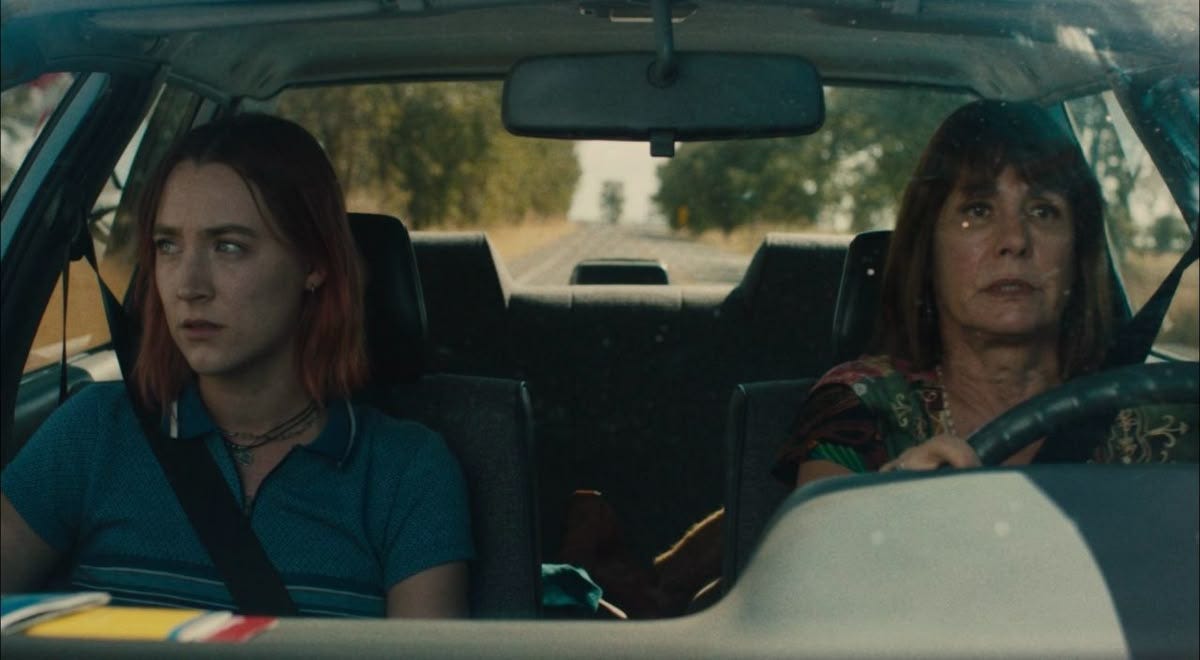
In Ladybird, Christine wants to go to college outside of Sacramento. Yes, she comes of age, heals her fractured relationship with her mother, and explores her sexuality… but those internal changes occur through the active pursuit of her external goal: getting the hell out of Sacramento.
3. Keep it SIMPLE
This is the hardest one (at least for me).
“The sculpture is already complete within the marble block, before I start my work. It is already there, I just have to chisel away the superfluous material.”
― Michelangelo

That’s screenwriting. Chiseling away extra characters, subplots, ideas, and steps until only a clear narrative remains.
The simpler the story, the more room you have for character exploration, set-pieces, comedy and all the moments that make us love movies (think every great dance scene ever) .
There are 6 tentpole moments in a screenplay:
Inciting Incident
End of Act 1
Midpoint
End of Act 2
Climax
Resolution
Your job is to move between these as simply as possible.
In my rewrite, I am doing less.
Can I remove a character? Gone.
Can I cut a subplot? Bye.
Can I kill a scene? Axed
Simple. Simple. Simple.
4. THEREFORE Not “AND THEN”
You’ve probably seen seen the famous NYU-South Park lecture, but it’s always worth revisiting:
Every scene should happen because of what came before it. Causality builds momentum and momentum builds tension. It’s much easier to write intentional cause-and-effect if you’ve kept your narrative simple (Principle #3).
TLDR'; if you can say “and then” in between your story beats - you’re f*cked.
5. RAISE the STAKES
Your story needs to escalate after the midpoint.

The consequences of your protagonist failing to achieve their goal need to be bigger and badder than they were at the top of Act 2. This prevents a midpoint plateau and injects energy into the back-half of your script.
There’s plenty of ways to do this, like introducing global consequences, putting more at personal risk for your protagonist, and of course, adding a ticking clock. Anything that makes failure feel unbearable.
6. Condense the Timeline
If your film can unfold in one night, it should. A tighter timeline equals more tension, which almost always plays better onscreen.1

Most stories cannot unfold in 24-hours and that’s okay, but what you can do is try to tighten the passage of time and establish a clear endpoint in Act 1: a championship game, a return flight, a wedding, a final destination.2
Once your protagonist reaches that end point, your story should end too - which segues perfectly into the final principle…
7. Avoid Climax Bloat
There should be little to no dialogue in your climax; everything important should already be said. Your climax is the visual culmination of your character’s transformation.
It’s a moment for showing not telling.
And your resolution should come FAST after your climax… like as fast as possible. End while the audience is on an emotional high, not 10-20 minutes later.
Two of my favorite examples of this principle from 2025 are Hamnet and Heated Rivalry episode 5.

(SPOILER ALERT BELOW)
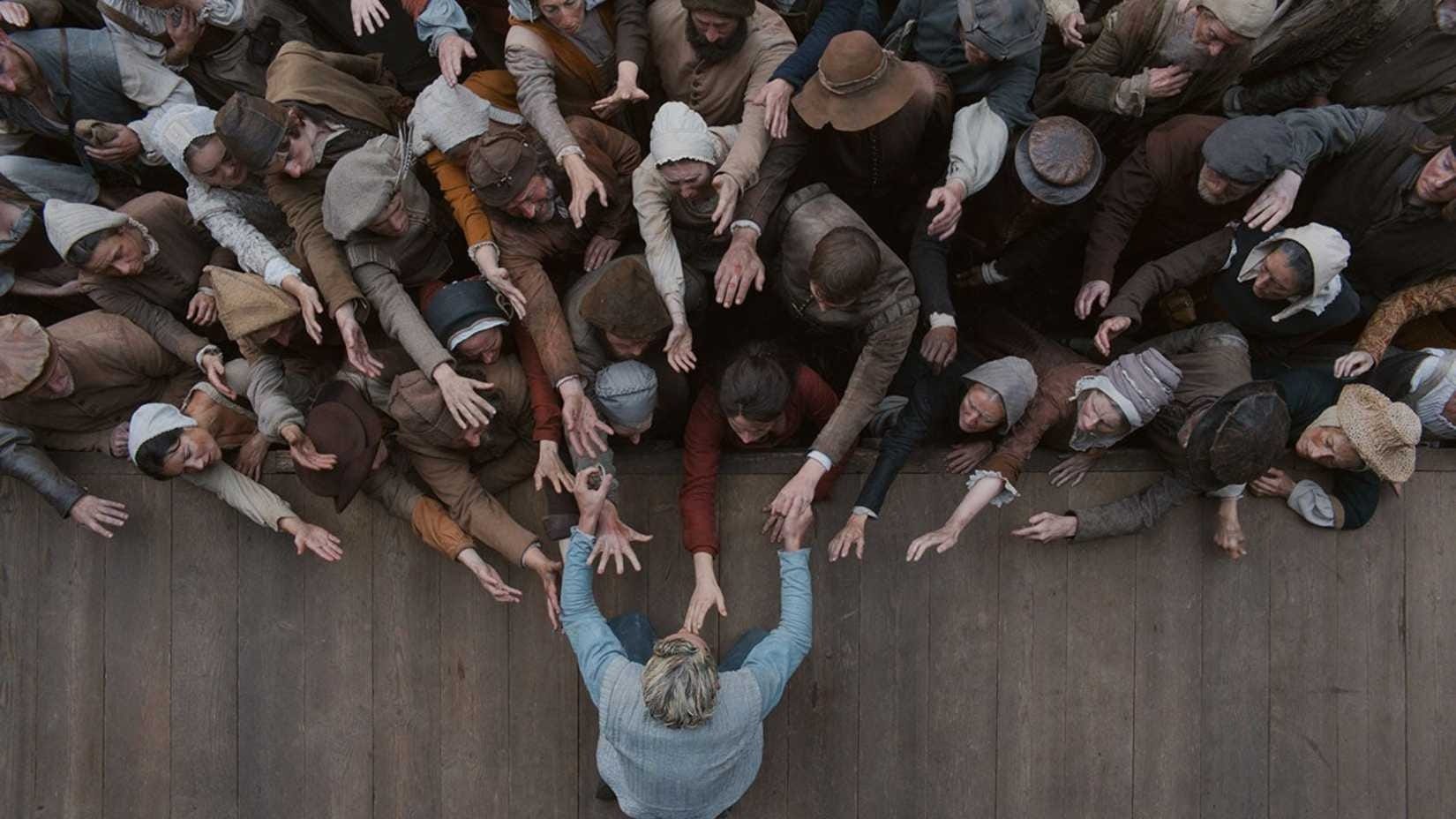
Hamnet climaxes when Agnes reaches out to hold Hamlet’s hand as he “dies” onstage. The audience joins her in a silent, cathartic expression of collective grief. The film ends just a few shots later.
The result? A weeping audience.
In Heated Rivalry Ep 5, Hunter kisses Kip during a live broadcast just after winning the championship. Rozanov calls Hollander and declares “I’m coming to the cottage.” Cut to black.
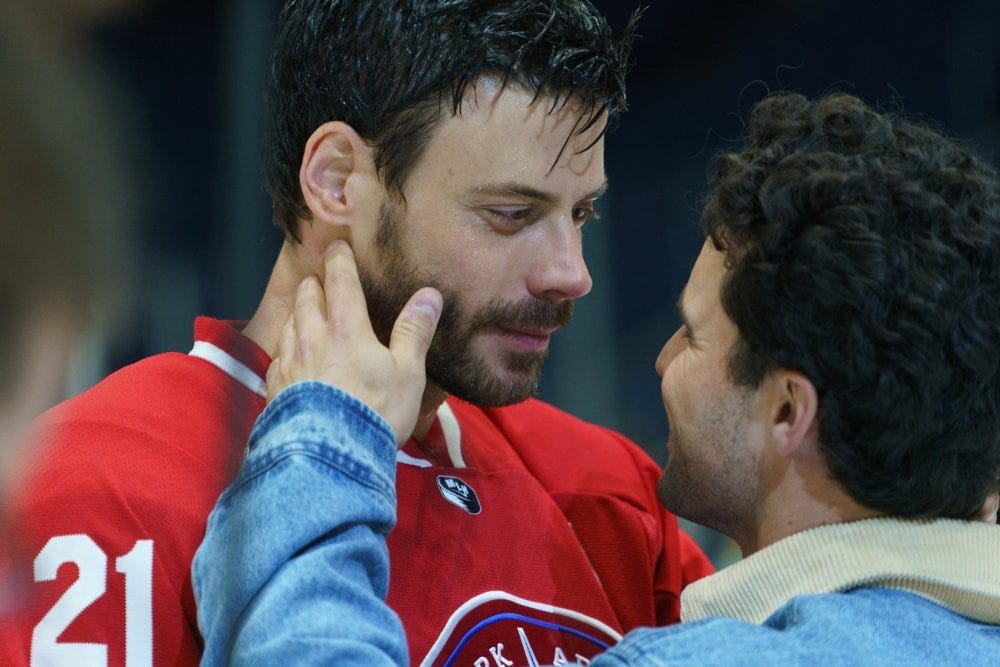
The result? My girlfriend and I SCREAMING on the couch while the episode broke the internet and Breaking Bad’s 12-year long record of being the highest rated television episode on IMDb.3
Efficient endings linger longer in audiences minds.4
And there you have it.
These 7 Principles are guiding me through my current rewrite and I hope they can guide you too. I’d love to hear your thoughts on these - and if there’s any principles you’d add to your own list.
Happy writing & happy holidays,
E
Of course there are exceptions to all of these principles… When Harry Met Sally spans 12 years and is one of my favorite movies.
These “ending events” can also help in raising the stakes in Act 2B
Both of these climaxes have amazing needle drops, which will be discussed at another time.
When Harry Met Sally is a semi-exception here too… the film climaxes when Harry crashes the New Years Eve party and professes his love for Sally in an iconic monologue: “When you realize you want to spend the rest of your life with somebody, you want the rest of your life to start as soon as possible.” Then, they share a breathtaking kiss. Sure, there’s talking - but it’s emotional and the film ends right afterwards when Harry & Sally tell a documentary filmmaker about how they met. Efficient, emotional, and forever iconic.
🫶👏🏻👏🏻👏🏻